“If only I had the time to write of this hell, but I can’t. I will not be able to for some time yet, but the sights, the experiences will never die from memory.” ~Robert L. Wiley
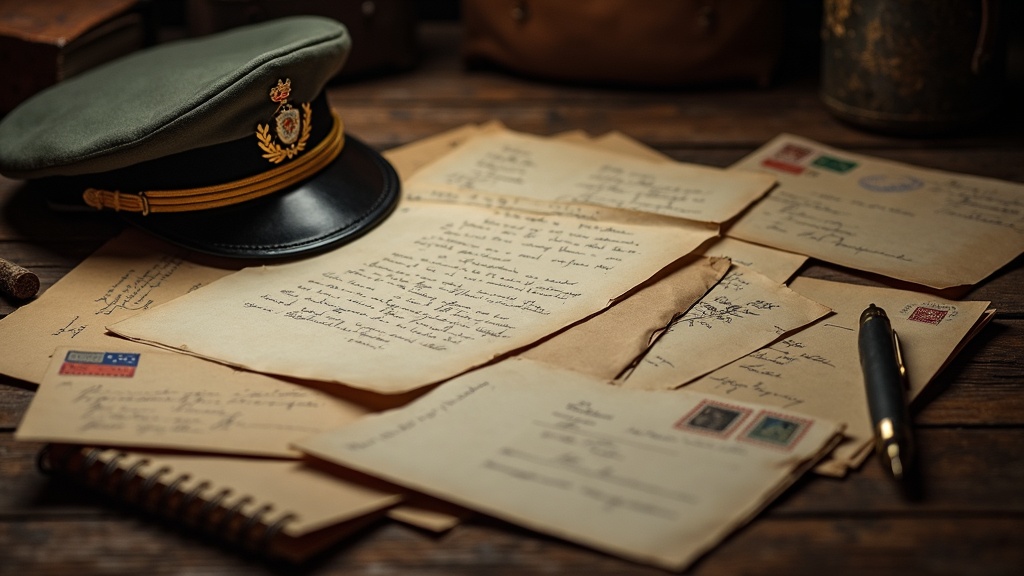
Reading real letters written by wartime soldiers is a powerful way to connect with history. Some lines hold so much emotion; they make you feel the cold, fear, and longing from the trenches. Some letters were the last words families received from their loved ones. Many soldiers died just days after mailing them, or returned home forever changed. These letters are raw pieces of history, and I find them both heartbreaking and fascinating.
Why Wartime Letters Still Matter
War letters from around the world offer a rare, unfiltered window into the past. They aren’t polished or censored by historians or governments. You’re hearing the voices of people who lived it in real time, sometimes writing by candlelight or in muddy dugouts, not knowing if they’d see another sunrise.
In Canada, November 8th is Indigenous Veterans Day, created to honor First Nations, Inuit, and Métis individuals who served. In the United States, Veterans Day on November 11th remembers the courage and resilience of everyone who has served. Around the world, Remembrance Day and Armistice Day fall on November 11th, marking the WWI armistice. Across these countries, people pause to thank and remember the veterans who faced the traumas of war. These holidays exist partly because those who returned shared their words and stories, often starting with these wartime letters.
What War Letters Reveal About Life in the Trenches
The biggest value in these letters is what they reveal about daily life in the trenches and on the front lines. While movies and novels often focus on battles, real letters give a totally different perspective, one focused on the slow crawl of time, boredom broken by sudden terror, and the tiny things that kept soldiers hanging on.
- Brutal Descriptions: Some letters talk about bullets and shells filling the air, collapsing walls, and piles of bodies. Others describe the screams of wounded men, asking to be put out of their misery.
- Moments of Humor: You’ll also find laughter in the bleakest posts. One Canadian soldier wrote about hearing German soldiers next door in the trenches, trying to sing British tunes; he and his buddies found it hilarious. Humor was one of the only tools they had to fight stress and fear.
- Small Joys: A hot meal, a dry pair of socks, a letter from home—these ordinary things became extraordinary to the men in the trenches. Many letters talk more about these joys than about the larger battles.
- Hope and Heartbreak: Every letter received gave families hope. Each message meant their loved one was still alive, if only for that moment.
How Letters Connected Soldiers and Their Families
Letters weren’t just about sharing news. For soldiers, letter writing was a lifeline. It helped them feel close to home and gave them the morale boost they needed to face each new day. For families, holding a handwritten page brought comfort and a brief feeling that the world was normal, even while everything had changed.
- Maintaining Morale: Writing home gave soldiers an escape from the battlefield, even just for a few minutes. It let them focus on loved ones, talk about their dreams, and forget (for a moment) the mud and chaos.
- Keeping Hope Alive: Letters offered both sides hope— a parent or partner could hold the paper and believe, for now, that their soldier was okay.
Different Types of War Letters
Not every letter was about tragedy or combat. Soldiers wrote about all kinds of things, from memories, jokes, the landscape around them, or news from home. Some letters read almost like travelogues, describing foreign towns, wildlife, or weather. Others are written in code to skirt around censors.
- Field Postcards: These were short, preprinted notes that soldiers could quickly fill out just to prove they were alive. They rarely said much but were treasured back home.
- Love Letters: Passionate, shy, or teasing—love letters from the front fill entire published books. They add a really human touch to soldiers we often think of only as warriors.
- Diary Style Letters: Some soldiers treated their letter writing like a personal diary, describing each day’s events in detail. These are the richest for painting a full picture of army life.
Common Themes in War Letters
- Trying to Protect Family from the Truth: Soldiers often downplayed how bad things were. They’d use phrases like, “It’s not too bad here” or “We’re making do,” even if the truth was a lot worse. This was as much for the writer’s benefit as for the recipient’s; it let them keep spirits up.
- Talking About Small Things: Details about weather, meals, or pets—these everyday topics grounded the letters, making the terrible feel temporarily normal.
- Worries About Home: Many wrote that their biggest worry wasn’t personal safety, but that their families would struggle without them.
What Reading These Letters Teaches Us
Getting into these letters gives a way deeper understanding of what the wars were really like. Textbooks usually stick to the facts and dates, but letters reveal the emotions and decisions that get lost in official versions. These primary sources can’t be spun or tweaked to fit a convenient story.
Some of the most powerful lines are about friendship; soldiers often talk about the deep bonds they formed, describing those around them as brothers. The grief in losing a friend or seeing a unit destroyed comes through clearly, in a way no movie can quite capture. You also see a kind of resilience that’s hard to imagine, along with the dreams many had for life after the war.
The lasting impact of these letters goes beyond history lessons. They show the strength of the human spirit, the will to keep going through impossible circumstances, and the importance of holding on to hope and connection even in the darkest days.
Where To Find War Letters Today
There’s a growing interest in collecting, digitizing, and sharing War letters, so more people can learn from them. A few spots I recommend checking out for online archives and audio readings:
Smithsonian National Postal Museum; their website offers a digital collection of letters with transcriptions and research notes.
- Library of Congress WWI Collection; here you can find scanned originals and sometimes listen to them being read aloud.
- Many local and national museums, like Toronto’s City Archives or the Imperial War Museums in the UK, have searchable letter archives.
Recommended Books with Wartime Letters
(Heads up! This post may contain Amazon or other affiliate links. That means if you click and make a purchase, I may earn a small commission—at no extra cost to you. I only recommend products I truly love or think you’ll find useful.)
It totally blew my mind how many books are dedicated to compiling war letters. If you’re interested in hearing these stories, I suggest picking up one of these:
- War Letters: Extraordinary Correspondence from American Wars by Andrew Carroll
- Love Letters of the Great War edited by Mandy Kirkby
- Letters from the Greatest Generation: Writing Home in WWII by Ray E. Boomhower
- The Diaries of Nella Last: Writing in War and Peace by Patricia and Robert Malcomson, Editors
You’ll find hundreds more out there, from single collections about specific families to massive anthologies that cross countries and armies. All are worth a look, and you might stumble upon something unexpected and moving.
Frequently Asked Questions
Are all War letters sad?
Not at all. Sure, lots cover tough topics, but you’ll also find jokes, drawings, and even silly stories. Some are packed with hope for the future.
How were letters sent during the war?
Soldiers either handed letters to field clerks or mailed them from field posts. Most mail was censored, but it made its way home through a massive army postal system, sometimes taking weeks.
Can I read the actual handwriting of soldiers online?
Yes! Lots of museums have digitized originals. Zooming into the handwriting makes the connection even more real.
Final Thoughts and Where To Start Exploring
I find war letters one of the most direct ways to connect with the past. They’re not just about big history; they’re actual voices from muddy boots on the ground. Checking out WWI and WWII letters reminds me why history matters, and why personal stories make the difference. If you’re curious to learn more, get into the National Postal Museum or the Library of Congress collections. I’ve spent hours getting lost in those pages, and I’m always glad I did. There’s something truly special about seeing the world through the words of someone who lived through it, and each letter is a reminder of what it means to be human in the face of conflict and change.
Even though current soldiers who are deployed have access to email, text messaging, and facetime, it just isn’t as meaningful as receiving a handwritten letter.
You can volunteer to write a letter to thank those who serve through A Million Thanks. It’s a wonderful service that distributes millions of handwritten messages of gratitude to active-duty service members and veterans across the globe.
What a deeply moving and insightful post—thank you for sharing these reflections on wartime letters. I was especially struck by how you described them as more than historical artifacts, but as raw, unfiltered voices from the trenches that reveal the mundane alongside the terrifying. It’s fascinating how moments like a hot meal or a dry pair of socks become moments of joy and hope in those letters. Your point about how letter writing linked soldiers and loved ones back home resonated strongly. Do you have a favourite particular wartime letter or collection that surprised you with an unexpected tone (humour, joy, or something quite different) despite being written in such dire circumstances?
Hi Hanna, thanks for commenting.
One thing I read that surprised me was that one of the soldiers described (I believe it was on Christmas) that both sides of the trenches ceased fire and they ran towards each other with bottles of alcohol and celebrated for a few hours as if they were friends, and the next morning the war was back on and again, they were enemies.
Thank you for sharing your perspective on the significance of War Time Letters. You are correct in saying they have a direction connection with history. I had family members serve in different wars, a couple came back, but several didn’t. I was happy that the letters received by family members at home were kept and shared. Not only did I learn a lot about what war was really like, I also learned about family members I never had the chance to meet. When my children were small, they each started corresponding with members of the military, through handwritten letters. My children learned quickly, as I had, the letters were very meaningful and informative and from the heart of the soldiers writing them. Moving forward, I feel it is important to keep the connection, although I know the form of communication is now different. Thank you for putting this website together and sharing. I hope more people will take the time to search out wartime letters and appreciate who wrote them!
Hi Pauline, thanks for sharing your experience with writing letters to those who serve in the military. I’m so glad you had the opportunity to get to know some of your family members through their letters.
I think you’ll find it surprising that like Vinyl records and VHS movies, old fashioned handwritten or typed letters are making a resurgence. And that puts a smile on my face.
This was such a powerful and beautifully written piece. I completely agree that wartime letters are some of the most moving windows into history we have. There’s something profoundly human about seeing fear, humor, and hope all captured in the same few lines written under unimaginable circumstances.
It’s incredible to think how those handwritten words continue to bridge generations, reminding us that behind every historical event were real people with families, dreams, and emotions just like ours. Thank you for including links to the archives and organisations that preserve these letters… it’s such a meaningful way to honor their voices and keep their stories alive.
Thank you so much for reading my blog post. I am so happy that these letters are being preserved and shared.
Hi JarieLyn.
You’re right. There was a whole lot of bad during the war and people tried their best to focus on more things that could make that time feel less traumatic. I was not aware that these letters were actually accessible to everyone. I definitely see that at least for a moment readers can feel the emotions portrayed with the exact words used by the soldiers to paint the picture of what they went through. You’ve given the opportunity to revisit the good with the bad.
Hi Drew, thanks for commenting. I think that reading these wartime letters from the past and present can help us to have more compassion. There’s always room to expand our hearts.
I didn’t know you could find the letters online, those are such great resources to find! I had no idea!
I can’t imagine having a loved one overseas fighting for their lives as well as their country and not being in contact with them except through the mail. What they went through is so enlightening through their letters.
I loved reading your blog today! Thank you for sharing! Take care!
Thank you, Melissa. Also, a big thank you for the beautiful, amazing book you sent to me. I love it so much and will treasure it forever.
Wartime letters are powerful historical artefacts that give us a direct, human perspective on life in conflict. Written under extreme conditions, they capture soldiers’ emotions, daily struggles, small joys, and the bonds they formed with comrades. These letters were often the only connection to home, providing hope and comfort for both soldiers and their families. Beyond recording events, they reveal humour, resilience, and dreams for the future, showing the full range of human experience in war. Today, digitised collections and published anthologies allow us to explore these intimate voices, reminding us of the personal costs of conflict and the enduring value of human connection.
Keep up the good work!
Thanks for reading and taking the time to comment.
I completely agree; these documents offer an unfiltered and vital perspective that textbooks simply cannot capture.
You make a great point that official histories focus on dates and facts, while letters reveal emotions, resilience, and the deep bonds formed between soldiers. It’s the personal details, like finding humor in tough situations or obsessing over a dry pair of socks, that truly humanize the massive scale of conflict. These letters serve as primary sources that are impossible to manipulate or distort.
Beyond the personal stories, is there a common theme that you find particularly surprising or consistently heartbreaking across different wars (such as WWI, WWII, and Vietnam) in these letters? What do they reveal about the human experience of war?
Hi Leica, I appreciate your comment and your thought-provoking question. I don’t find anything particularly surprising in the letters, except maybe the sense of humor and positive attitudes still evident amidst the horrible contrast of war and death all around. The most common theme is that letters are the thread that keeps morale high.